

Trust booking refers to the set of signals, security measures, and transparent policies that convince a guest to reserve directly with a short-term rental host instead of defaulting to a familiar OTA like Airbnb or Vrbo. It’s the confidence layer that makes a stranger hand over payment details on a site they’ve never used before. Without it, even the most beautifully designed direct booking website will bleed traffic back to the platforms guests already trust.
Key Takeaways
- Trust booking is built through visible security signals (SSL, secure payment badges), clear cancellation policies, and consistent information across every channel where your property appears.
- Industry commentary tied to a 2026 travel panel notes that the four biggest OTAs spent a combined $17.8 billion on sales and marketing in a single year, which is exactly the trust and visibility budget an individual host has to compete against with smarter tactics, not bigger ad spend.
- According to data cited from TripAdvisor, 96% of travelers read reviews before booking, and 80% read between six and twelve reviews before deciding, meaning review visibility on your own site matters as much as it does on Airbnb.
- Every point of friction, a slow-loading payment page, a confusing cancellation policy, an inconsistent price between your website and your listing, breaks guest trust before checkout completes.
- Real host results back this up: one bed and breakfast operator using Boostly’s direct booking strategy reached 90% direct bookings and 60% repeat guests, proof that guest trust in an owned channel can match or beat OTA reliance.
- Boostly Connect builds trust booking infrastructure directly into your website, syncing live PMS availability, secure payment handling, and CRM-backed guest communication so trust signals aren’t something you bolt on later.
If you’re managing a handful of listings and still routing every guest through Airbnb, you’ve probably wondered why your own website converts at a fraction of what your OTA listing does. The properties are identical. The photos are the same. But the guest hesitates on your site in a way they never do on Airbnb’s. That hesitation has a name: a trust gap.
At Boostly Connect, we’ve watched thousands of hosts try to build direct booking channels only to stall at the exact same wall. Guests will browse the site, check your calendar, even open the payment page, and then close the tab and go book the identical property on Airbnb. It’s not that your prices are worse. It’s that Airbnb has spent years and, according to industry data referenced from a 2026 hospitality panel, billions of dollars collectively across the top platforms training guests to trust its checkout flow specifically.
This guide breaks down what trust booking actually requires in 2026, from the technical signals guests look for subconsciously to the policy transparency that closes the deal. We’ll also cover where most independent hosts get this wrong, and where a connected website, CRM, and PMS setup closes the gap without you having to become a cybersecurity expert.
What Is the Most Trusted Way to Take a Direct Booking?
The most trusted way to take a direct booking combines three layers working together: a secure, PCI-compliant payment processor, a website that clearly displays your cancellation and refund policy, and consistent pricing that matches what guests see on Airbnb or Vrbo. Guests don’t consciously audit all three, but they notice instantly when one is missing.
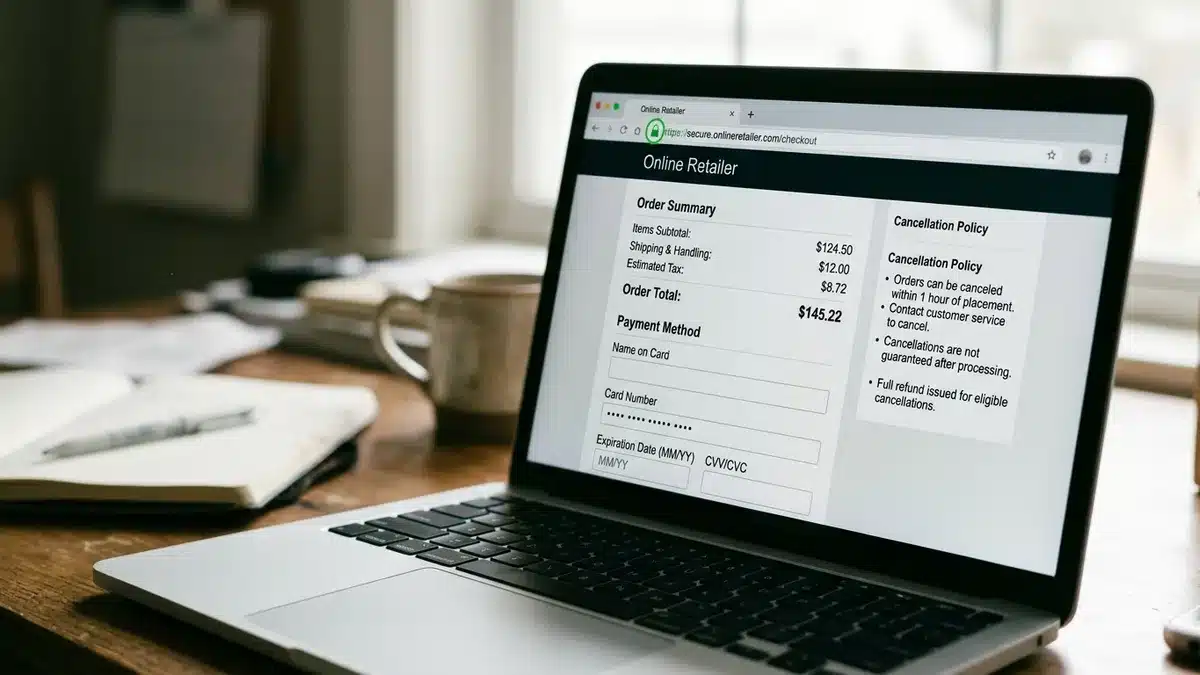
Specifically, a guest lands on your booking page expecting the same polish they get from a major platform: instant price confirmation, a working calendar, and a checkout that doesn’t ask for information twice. If your payment page redirects to a separate, unbranded processor with no visual continuity from your site, that’s a friction point. Industry commentary tied to a 2026 travel trust panel put it directly: a beautiful website followed by a clunky payment redirect loses the guest right there.
This is exactly the gap we built Boostly Connect to close. Your direct booking website syncs live availability and real-time pricing straight from your existing PMS, whether that’s Hospitable, Guesty, Lodgify, Hostfully, or one of the other supported systems, so guests see the exact same rate and calendar they’d see anywhere else. No redirect, no separate branding, no moment where the experience feels like a downgrade from Airbnb.
What Are Common Booking Fees, and Do They Affect Trust?
Common booking fees on OTA platforms typically include a host-side service fee (commonly 15 to 20 percent of the reservation) plus a separate guest-facing service fee added at checkout, which guests have grown to expect and tolerate because the platform is familiar. When a direct booking site shows a total price with no visible fee breakdown, some guests get suspicious rather than relieved.
Paradoxically, transparency about fees, even when your total is lower than Airbnb’s, builds more trust than hiding them. If you charge a small booking or cleaning fee, show it as a line item during checkout rather than folding it silently into the nightly rate. Guests who feel like a number was hidden from them abandon carts; guests who see a clear breakdown complete them.
We’ve found that hosts who list their nightly rate, cleaning fee, and any taxes as separate line items, mirroring the format guests already recognize from OTA checkouts, see better completion rates than hosts who show one lump total. Boostly Connect’s booking flow is built around this exact pattern, because familiarity is a trust signal in itself.
How Do I Know If a Direct Booking Site Is Legit?
A direct booking site is legitimate when it displays verifiable trust markers: a valid SSL certificate (the padlock icon in the browser bar), a secure payment processor badge, a real cancellation policy, and contact information that matches the property’s actual location and management. Guests scan for these signals in seconds, often without realizing they’re doing it.
For example, if your site’s URL doesn’t start with https and show the padlock, some browsers now actively flag it as “not secure,” which is often enough to end the session immediately. Additionally, a policy page that’s vague (“contact us for cancellation details”) reads as evasive compared to a page that states exact refund windows and conditions.
This is also where consistent business information matters. If your website lists a different property name, address, or contact number than your Airbnb listing, guests researching you across platforms notice the mismatch and get nervous. Keeping your PMS, website, and listings synced automatically, rather than manually updated across three separate tools, removes this risk entirely. That’s a core part of what a connected PMS-to-website setup through Boostly Connect is built to maintain automatically.
Will a Guest Get Refunded If Something Goes Wrong With a Direct Booking?
Whether a guest gets refunded after a problem with a direct booking depends entirely on the cancellation and refund policy the host publishes and honors, since there’s no third-party platform mediating the dispute the way Airbnb or Vrbo might. This is precisely why your published policy needs to be airtight and visible before checkout, not buried in a follow-up email.
In contrast to OTA bookings, where guests may lean on platform-level protections, direct bookings put the full weight of guest confidence on your word and your payment processor’s dispute resolution tools. That’s not necessarily a downside. It means you control the guest experience end to end, but it also means your policy page has to do work an OTA’s terms of service normally does for you.
Pair your policy with a secure, established payment processor that offers standard chargeback protections, and state your refund terms in plain language: exact day cutoffs, partial versus full refunds, and what happens with weather or emergency cancellations. Hosts who publish this clearly, rather than linking to a generic terms page, see fewer disputes and more completed bookings.
What Data Backs Up the Trust Gap Between OTAs and Direct Sites?
The trust gap between OTAs and independent direct booking sites is measurable in both marketing spend and guest research habits. According to industry commentary referenced from a 2026 hospitality trust panel, the four largest OTAs spent a combined $17.8 billion on sales and marketing in a single recent year, dollars spent specifically to train travelers to trust their checkout flow over anyone else’s.
On the guest research side, data attributed to TripAdvisor shows that 96% of travelers read reviews before booking, and 80% read between six and twelve reviews before making a final decision. If your direct booking site has zero visible reviews, or reviews scattered across a separate page nobody clicks, you’re asking guests to book blind compared to the review-rich experience they get on Airbnb.
| Trust Factor | OTA Experience (Airbnb, Vrbo) | Typical DIY Direct Site | Connected Setup (Boostly Connect) |
|---|---|---|---|
| Payment security display | Built-in, platform-branded | Often a jarring third-party redirect | Synced checkout matching your brand |
| Reviews visible at checkout | Yes, prominently displayed | Rarely integrated into booking flow | CRM captures and can surface guest reviews |
| Price consistency across channels | Platform-controlled | Manual updates prone to error | Live PMS sync keeps rates identical |
| Cancellation policy clarity | Standardized by platform | Varies, often buried | Displayed clearly at booking |
| Guest data ownership | Retained by platform | Depends on setup | Captured automatically into host CRM |
The table above illustrates a pattern we see across our client base: the trust gap isn’t about whether direct booking can work, it’s about whether the infrastructure behind it matches what guests already expect from years of OTA conditioning. Closing that gap is largely a setup problem, not a marketing problem.
How Do You Build Trust Signals Into a Direct Booking Website Step by Step?
Building trust signals into a direct booking website follows a repeatable sequence: secure your payment infrastructure first, then display policy transparency, then reinforce with social proof, and finally keep every channel consistent. Skipping steps in this order is the most common reason hosts launch a site that looks good but converts poorly.
- Step 1: Secure Your Payment Processing. Confirm your payment gateway is PCI compliant and displays recognizable security badges at checkout. Guests scan for this in under two seconds; a missing padlock icon or unfamiliar processor name is often enough to trigger abandonment.
- Step 2: Publish a Clear Cancellation and Refund Policy. State exact day cutoffs and refund percentages in plain text on the booking page itself, not a linked terms document three clicks away.
- Step 3: Sync Your Pricing Across Every Channel. Make sure your direct site, Airbnb listing, and Vrbo listing show matching rates for matching dates. Rate mismatches are one of the fastest ways to lose guest confidence, since a guest who notices a $40 discrepancy assumes something’s wrong with your site, not the OTA.
- Step 4: Surface Reviews and Guest Proof Directly in the Booking Flow. With 96% of travelers reading reviews before booking, per TripAdvisor data, a review-free checkout page is a real disadvantage. Pull recent reviews into your site rather than leaving them stranded on your OTA profile.
- Step 5: Keep Contact and Property Details Consistent. Your address, phone number, and property name should match exactly across your website, PMS, and every listing. Inconsistency reads as a red flag to guests doing quick cross-platform research.
- Step 6: Automate the Sync So It Never Drifts. Manual updates across three or four tools eventually fall out of sync, usually right when you’re busiest. This is the step most self-managed hosts skip, and it’s the one that quietly erodes trust over months.
Steps one through five are things a motivated host can do manually over a weekend. Step six is where manual processes break down at scale, and it’s exactly why we built Boostly Connect to handle PMS, website, and CRM syncing automatically rather than asking you to babysit three separate dashboards.
Common Mistakes That Undermine Trust Booking
The most common mistake we see is publishing a direct booking site once and never revisiting it as pricing or policies change elsewhere. A close second: hiding fees until the final checkout screen, which feels deceptive even when the total price is genuinely lower than the OTA equivalent. And a third: ignoring reviews on your own site while actively managing them on Airbnb, leaving your direct channel looking untested by comparison.
How Do Trust Certifications and Security Standards Factor Into Booking Confidence?
Trust certifications and security standards, such as PCI DSS compliance for payment processors, function as background credibility signals that most guests won’t consciously name but will notice if they’re missing. A secure checkout badge or a recognizable payment processor logo reassures a guest who has never heard of your property before but has heard of the payment brand behind it.
Notably, guests don’t need to understand what PCI DSS stands for to benefit from it. They just need to see a familiar visual cue, like a known card network logo or a secure-checkout icon, at the exact moment they’re entering payment details. As a result, hosts using generic or unbranded payment forms lose a measurable share of guests at that final step, even after doing everything else right.
We’ve built payment security into the core Boostly Connect checkout flow rather than treating it as an add-on, because in our experience working with vacation rental operators, the checkout moment is where trust is won or lost, not the homepage.
What Legal Protections Should Guests and Hosts Understand About Direct Bookings?
Legal protections around direct bookings vary by payment processor and jurisdiction, but guests generally retain standard consumer protections like chargeback rights through their card issuer regardless of whether they booked through a platform or directly with a host. Hosts should understand that a direct booking doesn’t remove a guest’s ability to dispute a charge; it simply removes the platform as a middleman in that dispute.
For hosts, this means your payment processor’s dispute resolution process becomes your first line of defense, which is another reason a reputable, established payment gateway matters more for direct bookings than it does inside an OTA ecosystem where the platform absorbs some of that risk. Always confirm your processor’s chargeback and dispute policies before relying on them for volume.
We’re not lawyers, and we always recommend hosts confirm the specific consumer protection rules that apply in their state or country with a qualified advisor. What we can say from direct experience is that a clear, published policy dramatically reduces the number of disputes that reach the chargeback stage in the first place.
How Does Trust Booking Fit Into Your Broader Direct Booking Strategy?
Trust booking isn’t a one-time checklist item, it’s an ongoing layer that has to work alongside your marketing, your email nurture sequences, and your repeat guest strategy. A guest who trusts your checkout once but never hears from you again has no reason to skip Airbnb the second time around.
This is where the case for a connected system becomes obvious. One bed and breakfast operator working with Boostly reached 90% direct bookings and 60% repeat guests, a result that depends on trust being reinforced continuously through email follow-up and consistent guest experience, not just a secure checkout page on day one. Similarly, a UK-based host who switched a damp property into a serviced accommodation business generated a single $6,000 (£6,000) booking after launching a direct site, then grew to 40% direct bookings with a goal of 60%, proof that trust compounds once guests have a reason to come back directly instead of through an OTA.
If you want to go deeper on the follow-up side of this equation, our guide on how to re-engage past vacation rental guests covers the email and CRM tactics that keep trust alive between stays. And if you’re still weighing how much of your calendar to shift toward direct bookings versus OTAs, our piece on how to balance OTA and direct bookings walks through that exact decision.

What Should You Prioritize First If You’re Starting From Scratch?
If you’re building trust booking infrastructure from zero, prioritize payment security and rate consistency before anything else, since those two factors cause the most immediate guest abandonment when they’re missing. Cosmetic polish, like custom branding or a blog, can come later.
Here’s the order we recommend to hosts starting fresh:
- First, lock down secure payment processing. This is non-negotiable and should never be a “we’ll fix it later” item.
- Second, match your pricing exactly across your website and every OTA listing. Even small discrepancies get noticed and read as untrustworthy.
- Third, publish your cancellation policy in plain, visible language. Don’t make guests hunt for it.
- Fourth, get reviews visible on your own site, not just on your OTA profiles.
- Fifth, automate the sync between your property management system, your website, and your guest records so none of the above drifts out of alignment as you get busier.
Hosts trying to hand-build all five of these independently often stall at step three or four, juggling spreadsheets and separate logins. That’s the exact manual burden Boostly Connect removes, connecting your PMS, website, and CRM into one system that stays synced without you touching it weekly.
Frequently Asked Questions
What is the most trusted hotel booking site?
For vacation rentals specifically, trust comes less from which platform you use and more from whether the booking experience displays consistent security signals, clear policies, and matching pricing regardless of channel. A well-built direct booking site can be just as trusted as a major platform when it includes secure payment badges, visible reviews, and transparent cancellation terms.
What are common booking fees?
Common booking fees include a host service fee, often 15 to 20 percent on major OTAs, plus a separate guest-facing service fee added at checkout. Direct booking sites can charge lower or no service fees, but showing fees as clear line items rather than hiding them builds more guest confidence than a single lump total.
Will I get refunded if a direct booking goes wrong?
Refunds on a direct booking depend entirely on the host’s published cancellation policy and the payment processor’s dispute resolution process, since there’s no platform mediating the transaction the way Airbnb or Vrbo might. Always confirm the exact refund policy and chargeback terms before completing a direct reservation.
How do I know if a direct booking site is legit?
Look for a valid SSL certificate (the padlock icon), a recognizable secure payment processor, a clearly published cancellation policy, and contact details that match the property across all its listings. Consistency across your website, PMS, and OTA profiles is one of the strongest legitimacy signals a guest can check in seconds.
Does switching focus to direct bookings hurt my Airbnb ranking?
No. Most hosts run direct booking channels alongside their existing OTA listings rather than replacing them, and Airbnb’s ranking algorithm responds to factors like response rate and reviews, not whether you also have a direct site. You can build trust booking infrastructure without touching your Airbnb presence at all.
Which property management systems integrate with a direct booking setup like Boostly Connect?
Boostly Connect supports 8 PMS integrations, including Hospitable, Guesty, Lodgify, and Hostfully, syncing live availability and pricing to your direct booking website in under five minutes once connected. This keeps your direct site’s rates identical to what guests see anywhere else, a key trust signal covered above.
How much can trust booking realistically improve my direct booking rate?
Results vary by property and market, but real examples show meaningful movement: one operator reached 90% direct bookings with 60% repeat guests, while another grew from a single booking to 40% direct bookings with a 60% target. These outcomes depend on consistent trust signals and ongoing guest re-engagement, not a one-time website launch.
Conclusion: Trust Booking Is a System, Not a Single Fix
Trust booking comes down to removing every point of friction between a guest’s decision to book and their completed payment: secure checkout, transparent pricing, visible reviews, and consistent information across every channel. Get those four elements right and a direct reservation can feel just as safe to a guest as booking through a platform they’ve used for years.
The data backs this up. With OTAs spending billions collectively to train guest trust in their checkout flow, and with TripAdvisor data showing that the overwhelming majority of travelers read reviews before booking, independent hosts have to match that experience deliberately rather than hope guests extend the same confidence by default. As we head further into 2026, guests are only getting more comfortable booking direct, provided the site in front of them earns that comfort.
If you’ve been putting off building this infrastructure because it feels like a technical project on top of everything else you manage, that’s exactly the gap Get started with Boostly Connect was built to close, syncing your existing PMS, website, and guest CRM into one connected system in under 20 minutes, no developer required.

If you’re ready to see what a fully synced, trust-ready direct booking site looks like with your own property data plugged in, book a demo with Boostly Connect and walk through the exact setup, from secure checkout to CRM-backed guest follow-up, before you commit to anything.