
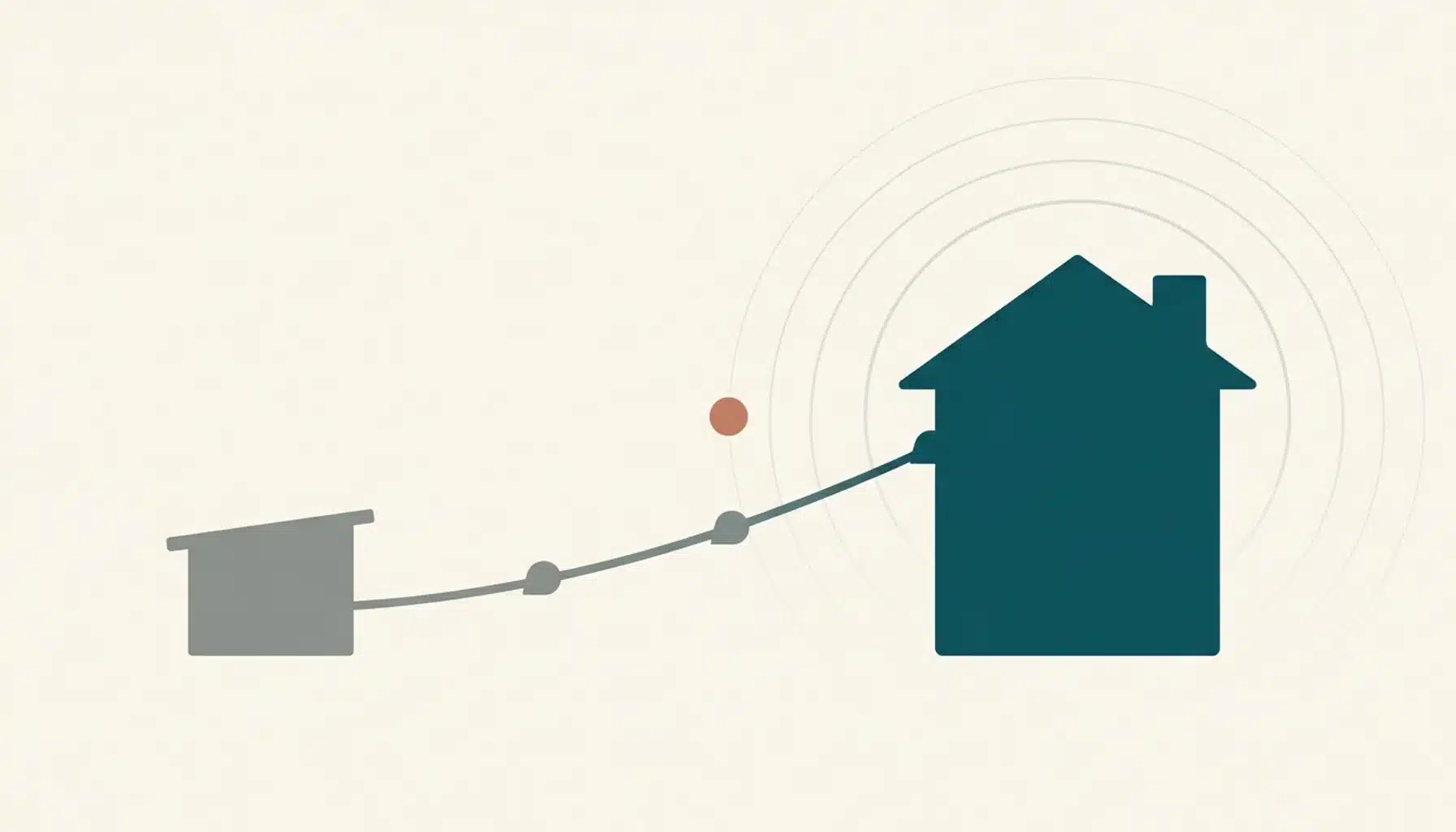
To boost booking numbers as a short-term rental host, you need three things working together: a direct booking website that converts, a guest CRM that re-engages past visitors, and a pricing strategy that reacts to real-time demand. Most hosts have none of these connected, which is why so many bookings still flow through Airbnb and Vrbo at a 15 to 20 percent commission instead of straight to the host’s own bank account.
Key Takeaways
- Boosting bookings sustainably requires combining OTA-side visibility tactics with a direct booking channel you own outright, not choosing one over the other.
- Repeat guests typically make up a meaningful share of total bookings, and industry data from Hostex shows repeat booking rates commonly range between 10% and 25% depending on market and property type.
- According to CUfinder’s 2026 marketing benchmarks, the average repeat guest rate for direct bookings sits around 22%, meaning roughly one in five bookings can come from returning guests when hosts actively market to them.
- A Boostly-supported bed and breakfast operator reached 90% direct bookings and 60% repeat guests by shifting marketing focus away from third-party platforms and onto their own website.
- Last-minute demand now drives a large share of vacation rental bookings, with Triad Vacation Rentals reporting that 0 to 14 day bookings represent 35 to 52% of reservations in high-traffic U.S. markets.
- Boostly Connect solves this by syncing a host’s existing PMS directly to a WordPress website in under 20 minutes, automatically capturing every direct booker into a CRM built to re-engage them without manual list-building.
What Does It Actually Mean to Boost Booking Numbers?
Boosting booking numbers means increasing the total volume and value of confirmed reservations across every channel a property uses, including OTAs, metasearch, and a host’s own website. For short-term rental operators in 2026, this goes beyond simply getting more Airbnb views. It means capturing bookings you’d otherwise lose to commission fees, algorithm changes, or a guest who forgets your property name by the time they’re ready to rebook.
Most hosts equate “boosting bookings” with OTA visibility tools, things like Booking.com’s Genius program or short-term promotional discounts. Those tactics can move the needle temporarily. But they don’t build an asset. A host who only optimizes inside someone else’s platform is renting attention they don’t own. Real, durable growth in booking numbers comes from combining OTA optimization with a direct channel that captures repeat demand permanently.
That’s the gap we built Boostly Connect to close. Instead of treating direct bookings and OTA bookings as competing strategies, our platform lets hosts run both simultaneously while quietly shifting more volume toward the channel that doesn’t cost 15 to 20 percent per reservation.
How Do Guest Communication Tools Boost Bookings?
Guest communication automation boosts bookings by answering inquiries instantly, which matters because a slow reply on Airbnb or a direct inquiry often means a lost guest to a faster-responding competitor. Hosts juggling five or more listings frequently miss messages during busy stretches, and every unanswered question is a booking that quietly walks away.
Manually managing guest messages across multiple channels (email, SMS, Airbnb inbox, direct website chat) means constantly switching tabs and re-explaining the same check-in details, parking instructions, or pet policy dozens of times a week. For a host running four or five properties, that’s hours lost every week to repetitive typing rather than actual guest care.
The Boostly CRM includes live chat and AI agents that field these repeat questions and upsell opportunities automatically, syncing with the same PMS data that powers your booking calendar so pricing and availability answers stay accurate. If guest messaging is eating your evenings, book a demo to see how Boostly Connect’s AI agents handle routine questions and upsells so you’re not typing the same check-in instructions for the tenth time this month.

Can OTA Visibility Tools Boost Booking Volume on Their Own?
OTA visibility tools like Booking.com’s Visibility Booster and Genius program can boost booking volume in the short term by temporarily increasing a listing’s placement in search results, but they don’t build long-term guest ownership. These tools work by adjusting your position for specific date ranges, unsold rooms, or targeted booker segments, and they typically require a commission trade-off in exchange for the visibility lift.
For example, a Visibility Booster campaign is designed for narrow situations: filling high-demand dates, moving unsold inventory, or recovering last-minute cancellations quickly. It’s a useful lever when your calendar has a specific hole to fill. But it resets every time the promotional period ends, and the guest relationship still belongs to the platform, not to you.
Compare that to a direct booking guest, who lands in your own CRM the moment they book. According to our own case data, one host who shifted focus from OTA-only tactics to a Boostly-connected site reached 90% direct bookings, meaning nearly all of that guest data and repeat revenue stayed inside their own business instead of resetting with every OTA promotion cycle.
What Role Does Past Guest Marketing Play in Boosting Bookings?
Past guest marketing boosts bookings by converting one-time visitors into repeat bookers who skip the OTA search altogether. Repeat guests are consistently one of the cheapest sources of new revenue because you’re not paying for discovery, you’re simply reminding someone who already loved their stay that they can book again.
The math here is not small. Hostfully defines repeat guest rate as bookings from past guests divided by total bookings, and it’s the standard KPI most operators track for re-engagement success. GetHostAI’s dataset found that across a sample of short-term rental operators, repeat guests account for a median of 5% of total booking value, though the range runs as high as 26% for hosts who actively nurture past guests, and roughly three-quarters of that repeat revenue still flows back through OTAs at standard commission rates.
That last stat is the real problem. Most hosts never build the systems to capture that repeat guest before they open the Airbnb app out of habit. If you want a deeper walkthrough of how to win back guests who’ve already stayed with you, our guide on how to re-engage past vacation rental guests covers the sequencing in detail.
Every guest who books direct through Boostly Connect is automatically captured into your own CRM, not stored inside Airbnb’s system where they can be remarketed to competitors. That’s the mechanism behind stopping what we call the repeat booking trap, where returning guests default back to the OTA simply because no one ever gave them a reason not to.
How Does Dynamic Pricing Help Boost Booking Rates?
Dynamic pricing boosts booking rates by adjusting nightly rates in real time based on local demand signals, competitor rates, and calendar gaps, rather than relying on a static rate a host sets once and forgets. Pricing that doesn’t move with demand either leaves money on the table during peak weeks or sits too high during slow stretches, killing conversion.
Independent research from AirDNA on perfecting vacation rental pricing with real-time travel demand makes a strong case that hosts who react to demand signals daily, rather than monthly, consistently outperform static pricing setups. Reviewing tools like PriceLabs, which holds strong third-party validation on Capterra with a 4.9 out of 5 rating and a top score on Hotel Tech Report’s revenue management category, or evaluating Beyond Pricing’s standing on G2’s ranking of vacation rental software, gives you a benchmark for what a serious dynamic pricing tool should deliver.
If you’re unsure whether your current rate is costing you bookings, running your listing through Beyond Pricing’s free listing analysis tool or pulling comparable rates from the RentCast market search tool is a fast way to sanity check your rate against nearby listings. This is a distinct discipline from direct booking marketing, but it works best when paired with a website that displays that real-time rate immediately, which is exactly what Boostly Connect’s PMS sync handles by pulling live pricing straight onto your own site.
How Does SEO and Website Optimization Boost Direct Bookings?
SEO and website optimization boost direct bookings by making your own property page discoverable in Google search results instead of relying entirely on OTA algorithms to surface your listing. Most independent hosts skip this step entirely because building an SEO-ready website from scratch requires technical knowledge most rental owners never had time to learn.
A booking website with zero SEO foundation, no meta descriptions, no structured property data, no blog content, effectively never ranks. It sits invisible while OTAs capture 100% of the search traffic for terms related to your property and destination. Hosts who’ve tried building a basic site themselves often find it generates almost no organic traffic because the technical groundwork was never laid.
This is precisely why Boostly Connect ships every direct booking website SEO-ready from day one rather than requiring a separate SEO contractor. Instead of hiring an agency, you can book a demo to see how the built-in SEO structure and Google Vacation Rentals integration work together out of the box. For a deeper technical breakdown, our posts on vacation rental SEO tips that actually rank in 2026 and why your website isn’t ranking well walk through the specific fixes that matter most.
Direct Booking vs OTA Optimization: Which Actually Moves the Needle?
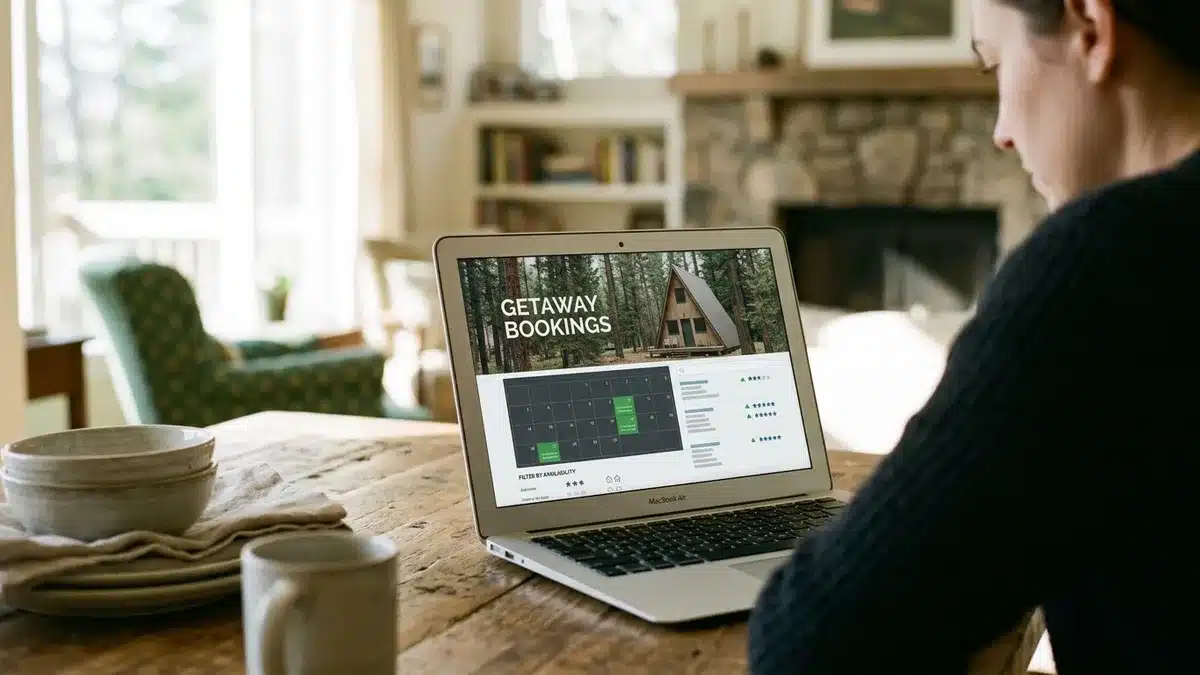
The table below compares the two primary levers hosts use to boost booking numbers: OTA-side visibility optimization and a direct booking channel built around your own website and CRM. Neither approach should be used in isolation, but understanding the trade-offs helps you allocate time correctly.
| Factor | OTA Visibility Tools | Direct Booking Channel |
|---|---|---|
| Commission cost per booking | Typically 15 to 20 percent per reservation | No OTA commission once booked through your own site |
| Guest data ownership | Retained by the platform for its own remarketing | Captured directly into your own CRM |
| Effect duration | Resets when the promotional period ends | Builds a lasting repeat guest base over time |
| Setup effort | Enroll in platform program, no dev work needed | PMS sync and site launch, under 20 minutes with Boostly Connect |
| Best use case | Filling specific date gaps or last-minute cancellations | Building sustainable, repeatable revenue that isn’t fee-dependent |
Notice that these aren’t competing strategies. Most successful hosts run OTA visibility tactics for short-term gap filling while building their direct channel as the long-term asset. That’s the exact dual approach Boostly Connect is designed to support, since the platform never asks you to abandon Airbnb or Vrbo, it just gives repeat guests somewhere better to land.
What Mistakes Do Hosts Commonly Make When Trying to Boost Bookings?
The most common mistake hosts make is treating booking growth as a single-channel problem, chasing OTA algorithm tweaks while ignoring the direct booking asset sitting dormant in an outdated website. Fixing this requires recognizing a few specific, repeatable errors.
- Building a direct booking website with no traffic strategy. A standalone site with no SEO foundation and no guest email list rarely converts, because nobody’s finding it in the first place.
- Never segmenting past guests. Treating every past guest the same, instead of separating repeat-ready guests from one-time bookers, wastes the highest-converting segment you have.
- Ignoring last-minute demand. Triad Vacation Rentals reports 0 to 14 day bookings make up 35 to 52% of reservations in busy U.S. markets, yet many hosts only market seasons in advance.
- Fearing OTA ranking loss. Hosts worry that pushing direct bookings will tank their Airbnb visibility. In practice, most operators run both channels simultaneously without penalty.
- Manually syncing calendars across tools. Updating availability by hand across a PMS, spreadsheet, and website invites double bookings and burns hours weekly.
That last point is where we’ve seen the most operational damage. Manual sync errors don’t just waste time, they create guest-facing double bookings that damage your reputation on every channel at once. Boostly Connect connects your PMS, website, and CRM so all three update automatically, removing that failure point entirely.
How Do You Practically Get Started Boosting Bookings This Year?
Getting started means sequencing your effort correctly instead of trying to fix everything at once. In our experience working with vacation rental operators across 25 countries, the hosts who see results fastest follow a consistent order of operations.
- Audit your current channel mix. Know exactly what percentage of bookings currently come from Airbnb, Vrbo, and your own site, if you have one.
- Connect your existing PMS to a real website. Boostly Connect supports 8 PMS integrations, including Hospitable, Guesty, Lodgify, and Hostfully, syncing live availability in under five minutes.
- Segment your past guest list. Pull anyone who’s stayed in the last 12 to 24 months into a CRM so you can re-engage them with targeted offers rather than a generic blast.
- Layer in review requests and repeat-stay offers. Automate the ask instead of manually emailing guests weeks after checkout, which is what most hosts never get around to doing.
- Keep OTA visibility tools active for gap filling. Don’t abandon Booking.com’s Genius program or Airbnb’s Special Offers feature, use them for last-minute inventory while your direct channel builds momentum.
Hosts who follow this sequence typically see direct bookings climb gradually rather than overnight, which matches what our case data shows: one property owner grew from 0% to 8% direct bookings in the first 12 months after launching a direct site, then scaled to 55% over subsequent years as their guest network compounded. For a fuller walkthrough of the traffic-building side, our guide on how to get more direct bookings covers the marketing sequence in more depth, and our post on building a direct booking website without hiring a developer is worth reading before you touch any code.

Frequently Asked Questions
How long does it take to set up a direct booking website with Boostly Connect?
Most hosts have their PMS synced and their direct booking website live in under 20 minutes, without a developer or any coding knowledge required. The setup connects your existing property system directly to a WordPress site with live availability already showing.
Will switching focus to direct bookings hurt my Airbnb search ranking?
No. Most hosts run Airbnb and a direct booking channel simultaneously without any ranking penalty. Airbnb ranks listings based on responsiveness, reviews, and booking activity on its own platform, not on whether you also have a separate website.
Which property management systems integrate with Boostly Connect?
Boostly Connect supports 8 PMS integrations, including Hospitable, Guesty, Lodgify, and Hostfully, letting you plug in your existing system in under five minutes and immediately show live availability and pricing on your own site.
Do I need a developer or coding experience to launch a direct booking site?
No developer or coding knowledge is required. Boostly Connect is built as a done-for-you setup, with a free plan for up to 3 listings on the Discover map, so hosts who’ve never touched a website builder can still get a fully synced site live.
What happens to my guest data when someone books direct instead of through an OTA?
Every guest who books direct is automatically captured into your own CRM rather than being retained by the OTA for its own remarketing. That means contact information, stay history, and preferences stay with you, the property owner, permanently.
How much can I realistically save by reducing OTA commission dependency?
The exact figure depends on your booking volume and current commission structure, since OTA commissions typically run 15 to 20 percent per reservation. Boostly Connect’s founder, Mark Simpson, personally recovered over $30,000 a year in platform fees after shifting to a direct booking model.
Can Boostly Connect handle multiple properties or just a single listing?
Boostly Connect supports multi-property portfolios from a single connected system, with every listing syncing to the same PMS, CRM, and website infrastructure. Hosts scaling from one unit to twenty or more don’t need separate tools per property.
Conclusion: Boosting Bookings Means Owning the Channel That Compounds
The fastest way to boost booking numbers in 2026 isn’t picking a single tactic, it’s connecting the pieces you already have: your PMS, your website, and your guest data. OTA visibility tools like Genius or Visibility Booster can fill short-term gaps, but a direct booking channel is the only lever that builds lasting equity in your own business rather than resetting with every promotional cycle.
The math rarely lies. Every booking that flows through an OTA instead of your own site is 15 to 20 percent gone, along with guest data you’ll likely never see again. Fixing that doesn’t require a developer, a new tech stack, or months of setup. It requires connecting the systems you already use to a site built to convert, which is exactly what Boostly Connect does in under 20 minutes.

If you’re ready to see what a direct booking site connected to your own PMS and CRM actually looks like with your property data, book a demo with Boostly Connect and watch your synced site come together in real time.